

Written by
Maggie Ross 4 min read
Disaster Readiness Planning for Fleet Operators: How to Keep Your Fleet Moving When Emergencies Strike
Share:


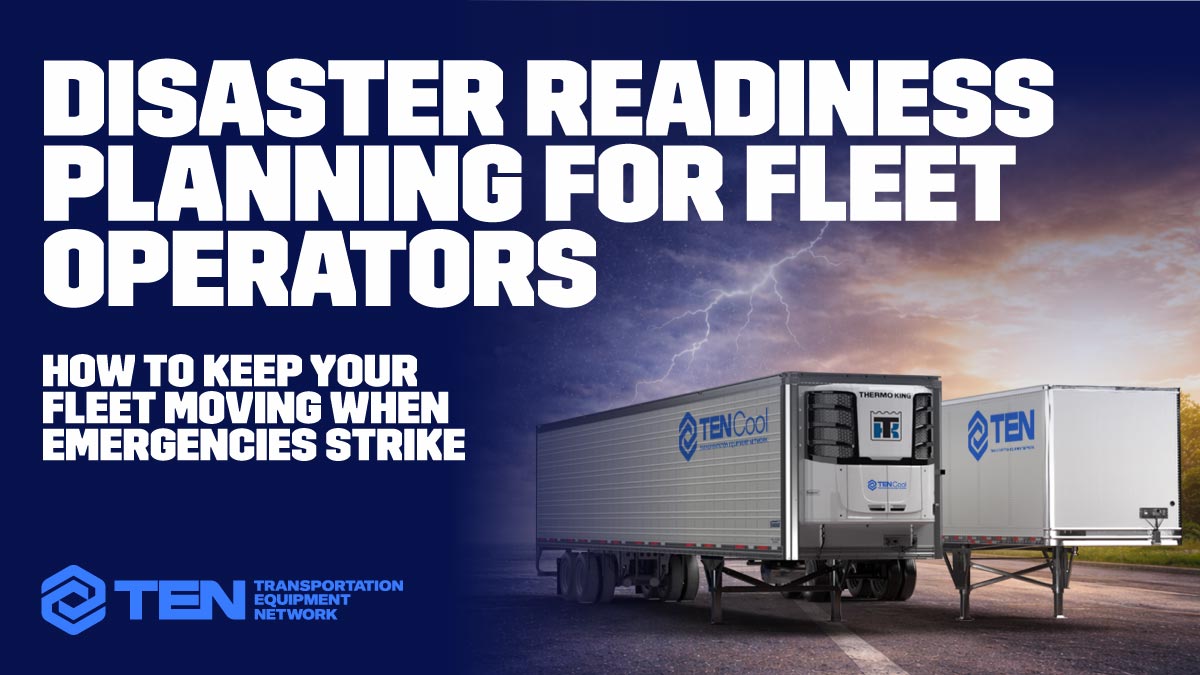
Unexpected emergencies can bring transportation operations to a standstill in a matter of hours. Hurricanes, tornadoes, wildfires, floods, winter storms, and other disruptive events can damage infrastructure, delay shipments, and create significant challenges for fleet operators.
While no company can predict when or where the next disaster will occur, every fleet can take steps to be better prepared. A well-developed disaster readiness plan helps minimize downtime, protect drivers and equipment, and ensure business continuity when disruptions arise.
Why Disaster Preparedness Matters in Transportation
The transportation industry plays a critical role in keeping supply chains moving, especially during emergencies. However, disasters can create several challenges for fleet operators, including:
- Road closures and infrastructure damage
- Fuel shortages
- Communication disruptions
- Equipment losses or damage
- Driver safety concerns
- Unexpected spikes in demand
- Delayed deliveries and service interruptions
Without a preparedness plan in place, these challenges can quickly escalate, resulting in operational disruptions, increased costs, and dissatisfied customers.
Key Components of a Fleet Disaster Readiness Plan
1. Conduct a Risk Assessment
Every fleet faces different risks depending on its geographic footprint and customer base. Start by identifying the types of emergencies most likely to impact your operations.
Consider questions such as:
- Are your locations vulnerable to hurricanes, floods, or tornadoes?
- Do you operate in regions prone to severe winter weather?
- Could wildfires or extreme heat impact your routes?
Understanding your risks allows you to create targeted response strategies and allocate resources effectively.
2. Develop a Business Continuity Plan
A business continuity plan outlines how your organization will maintain operations during and after an emergency.
Your plan should include:
- Critical business functions that must continue
- Alternative operating procedures
- Backup communication methods
- Emergency contacts and responsibilities
- Recovery timelines and priorities
Having a documented plan ensures everyone understands their role during a crisis and can respond quickly.
3. Establish Clear Communication Procedures
Communication is one of the most important elements of disaster preparedness.
Fleet operators should establish procedures for communicating with:
- Drivers
- Customers
- Suppliers
- Service providers
- Internal teams
Consider implementing multiple communication methods, including mobile apps, text alerts, email notifications, and emergency hotlines in case traditional channels become unavailable.
Prioritize Driver Safety
Your drivers are often on the front lines during severe weather and emergency situations.
Create protocols that address:
- Evacuation procedures
- Severe weather guidance
- Safe parking locations
- Emergency contact information
- Reporting procedures during an incident
Regular training and preparedness exercises can help drivers make informed decisions and remain safe when conditions change rapidly.
Build Flexibility Into Your Fleet Strategy
One of the biggest challenges during disasters is rapidly changing demand. Certain industries may require additional equipment to support emergency response efforts, while others may need temporary storage solutions or replacement equipment.
Building flexibility into your fleet strategy can help you:
- Adapt to sudden operational changes
- Respond more quickly to customer needs
- Reduce disruptions caused by damaged equipment
- Maintain service continuity during recovery efforts
Having contingency plans for additional equipment and resources can significantly improve your organization’s resilience.
Prepare Your Equipment
Preventive maintenance becomes even more important before severe weather events.
Fleet operators should:
- Conduct routine inspections
- Verify tire and brake conditions
- Ensure refrigeration equipment is functioning properly
- Check lighting and electrical systems
- Maintain emergency supplies and equipment
Well-maintained assets are better positioned to perform reliably during challenging conditions.
Review and Test Your Plan Regularly
A disaster readiness plan should never be a “set it and forget it” document.
Schedule regular reviews and ask questions such as:
- Have our operational risks changed?
- Are emergency contact lists up to date?
- Have we added new locations or customers?
- Did we identify lessons learned from previous disruptions?
Building a More Resilient Fleet
By assessing risks, prioritizing communication, protecting drivers, and building flexibility into your operations, fleet operators can improve resilience and maintain business continuity when emergencies occur.
Preparedness is about ensuring your fleet, your people, and your customers are ready for whatever comes next.
Featured
TEN Announces Pricing Of Offering Of $700 Million Principal Amount Of Secured Second Lien Notes Due 2030
6 FEBRUARY 2025 – (DUBLIN, OHIO) Star Leasing Company, LLC, doing business as Transportation Equipment...
Read More
TRENDING ARTICLES
The People Behind the Fleet: Why Technicians Are Critical to Fleet Reliability
How Local Branch Support Improves Fleet Reliability
TEN Ready: How Emergency Fleet Support Works
CATEGORIES
TEN
